
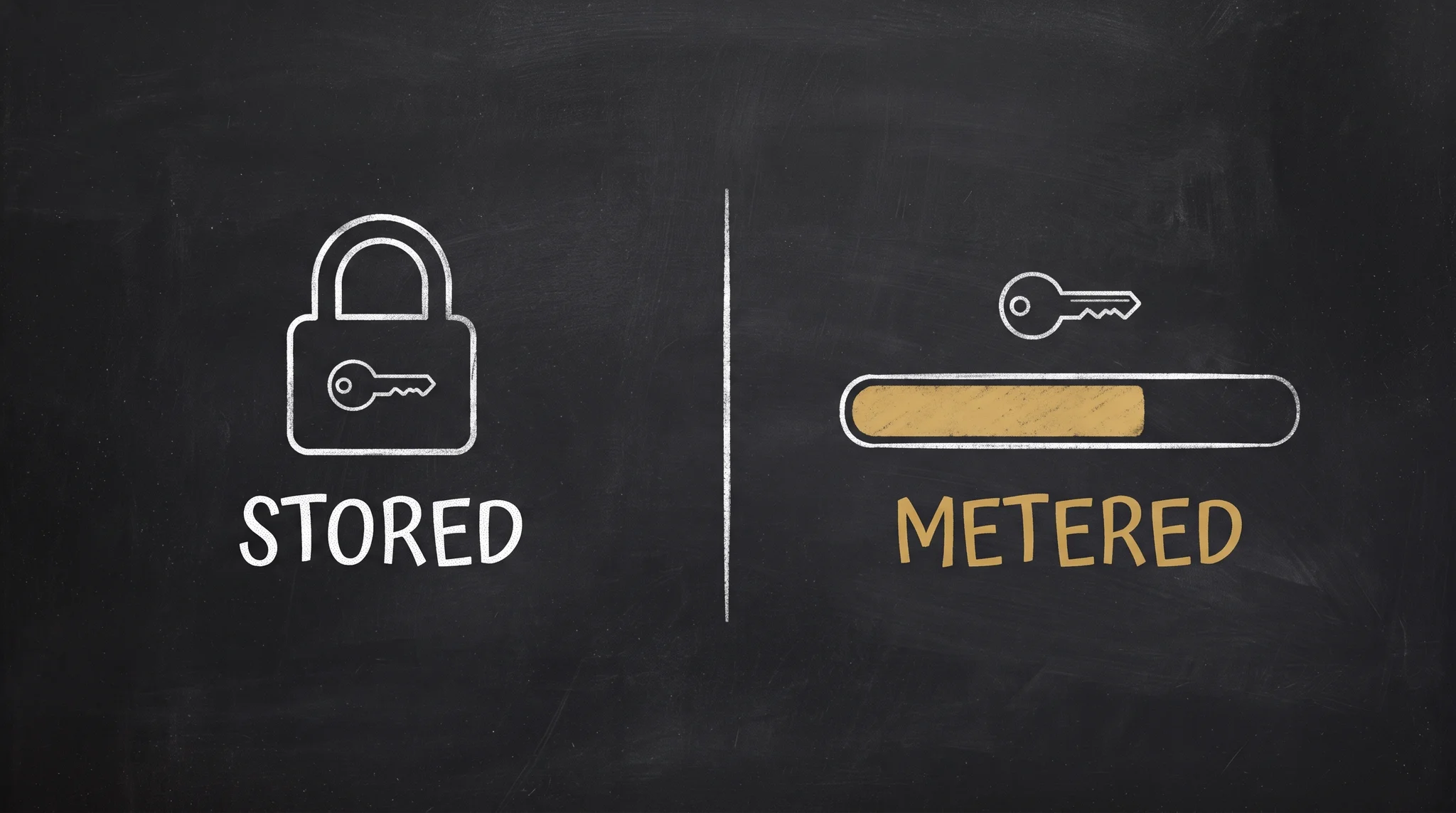
A password manager is very good at one job. It holds a secret, it hands the secret to the right person, and it does not lose it. 1Password, Doppler and HashiCorp Vault all do that job well, and I use tools like them.
None of them can tell me what a key is spending. That is not a flaw. It is simply not what a credential store is for.
I run a gateway where other people's keys do the work. An agency holding a client's provider key needs two answers a store cannot give: what has this credential spent, and is it still alive? SpiderGate™ answers both. In July I finished the part that was missing — the half of the vault that understands keys which do not bill in dollars at all.
The key that broke my model
A coding plan is a flat monthly fee. You pay $30, you get an allowance inside a rolling window, and you spend that allowance until the window resets. MiniMax, Z.ai, Qwen, Claude, Codex and Gemini all sell one.
Ask "what did this key cost today?" and the honest answer is $0. You already paid. The dollar figure is true and it is useless.
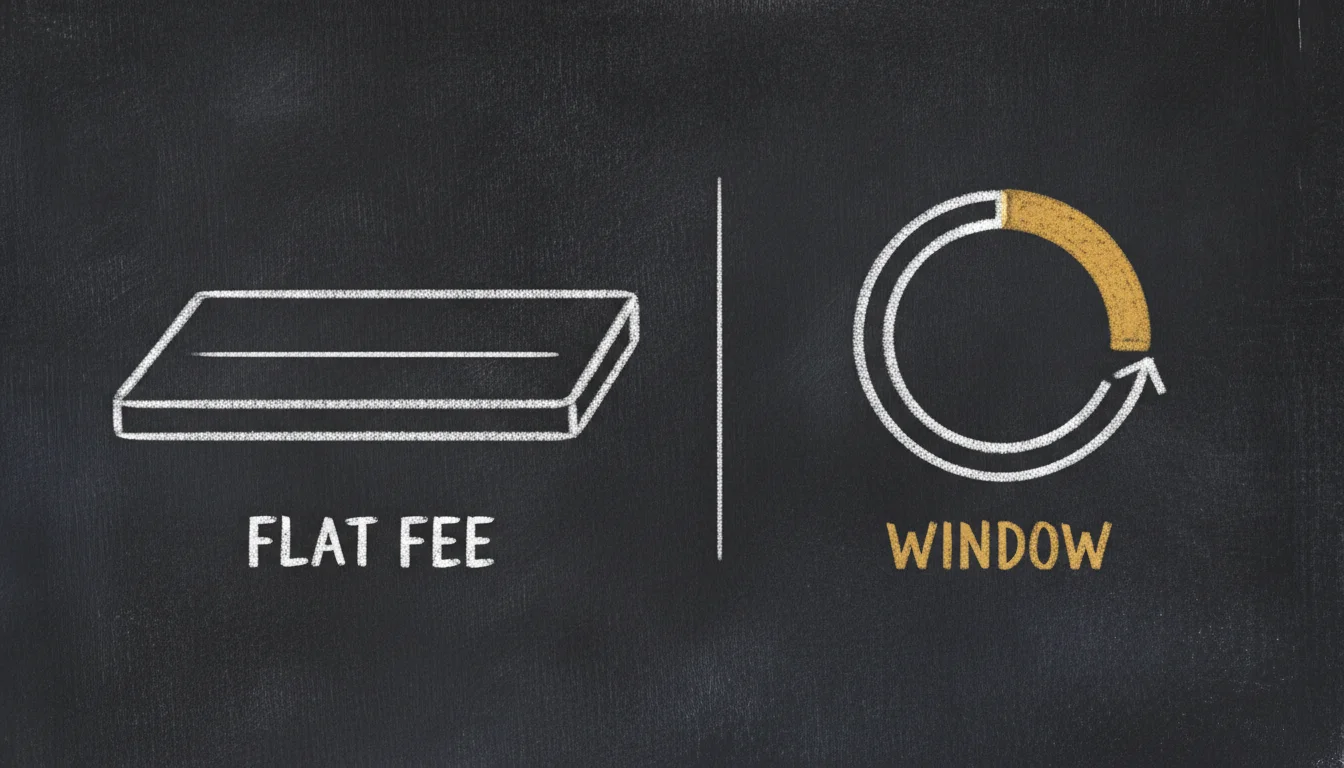
Worse, my vault could only tell a subscription apart by how you signed in. Connect an account with a login and it looked like a subscription. Paste a key and it looked metered. That is wrong for a MiniMax or Z.ai coding plan, where you paste an ordinary-looking API key and the billing behind it is flat monthly.
Three questions, not one
So I split the credential into three independent axes.
How it arrived. A pasted API key, or an account you connected with a login.
How it bills. Metered, where you pay per token or per credit. Or flat-monthly, where you already paid.
Which package. Which plan, specifically — Claude Pro or Claude Max 20×, MiniMax Starter or Max, GLM Coding Lite or Pro.
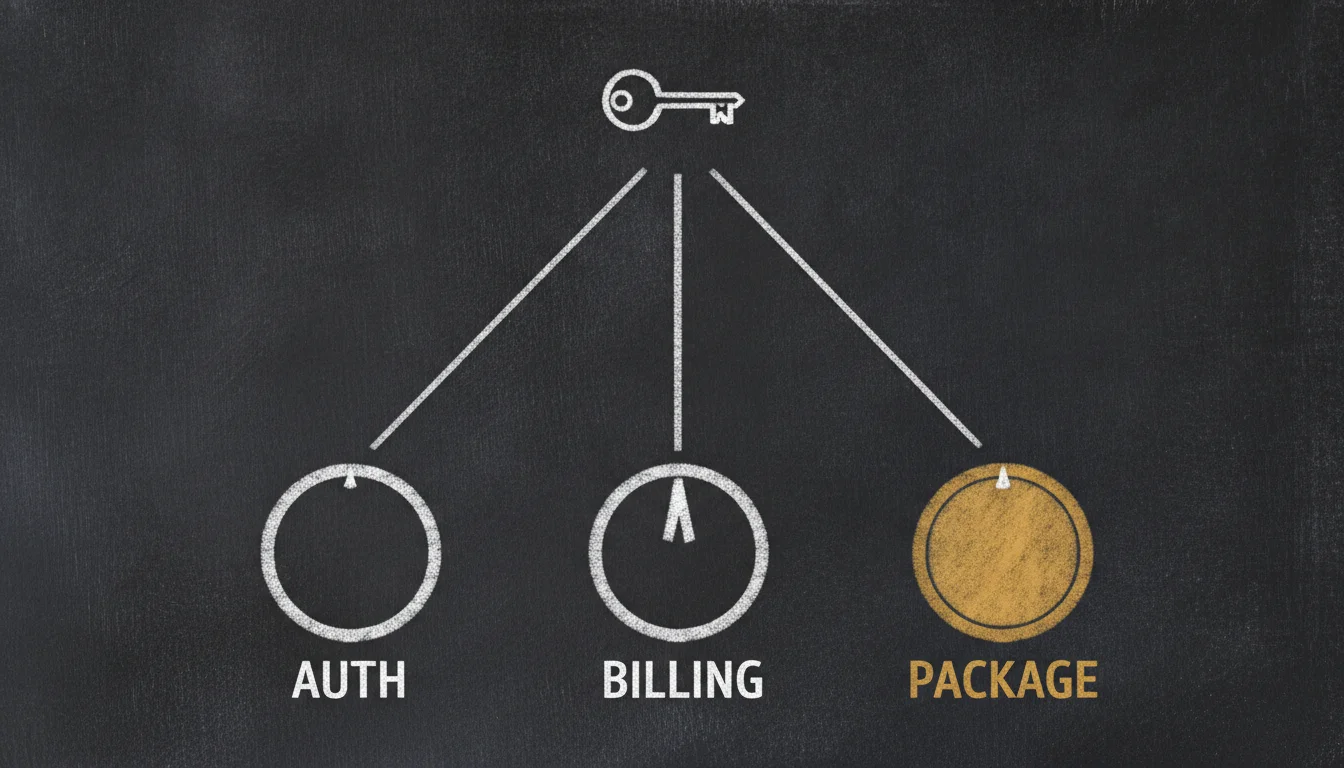
The three used to be one guess. Now each is its own field, and the useful consequence falls straight out: you can paste an API key and still mark it a subscription. Of the four subscription keys in my own vault today, two arrived as pasted API keys and two as OAuth logins (measured 10 August 2026). Before this, half of those were being read as something they are not.
The package is the denominator
Marking a key flat-monthly tells you what not to measure. It does not tell you what to measure instead.
That is what the package is for. Pick one, and the vault copies that plan's real window onto the key — the length of the window and how much it allows. Now the meter has both halves of a fraction: what you have used, over what the plan gives you. Most coding plans run a five-hour rolling window; some also carry a weekly ceiling, and where a plan has one, the catalogue records it.
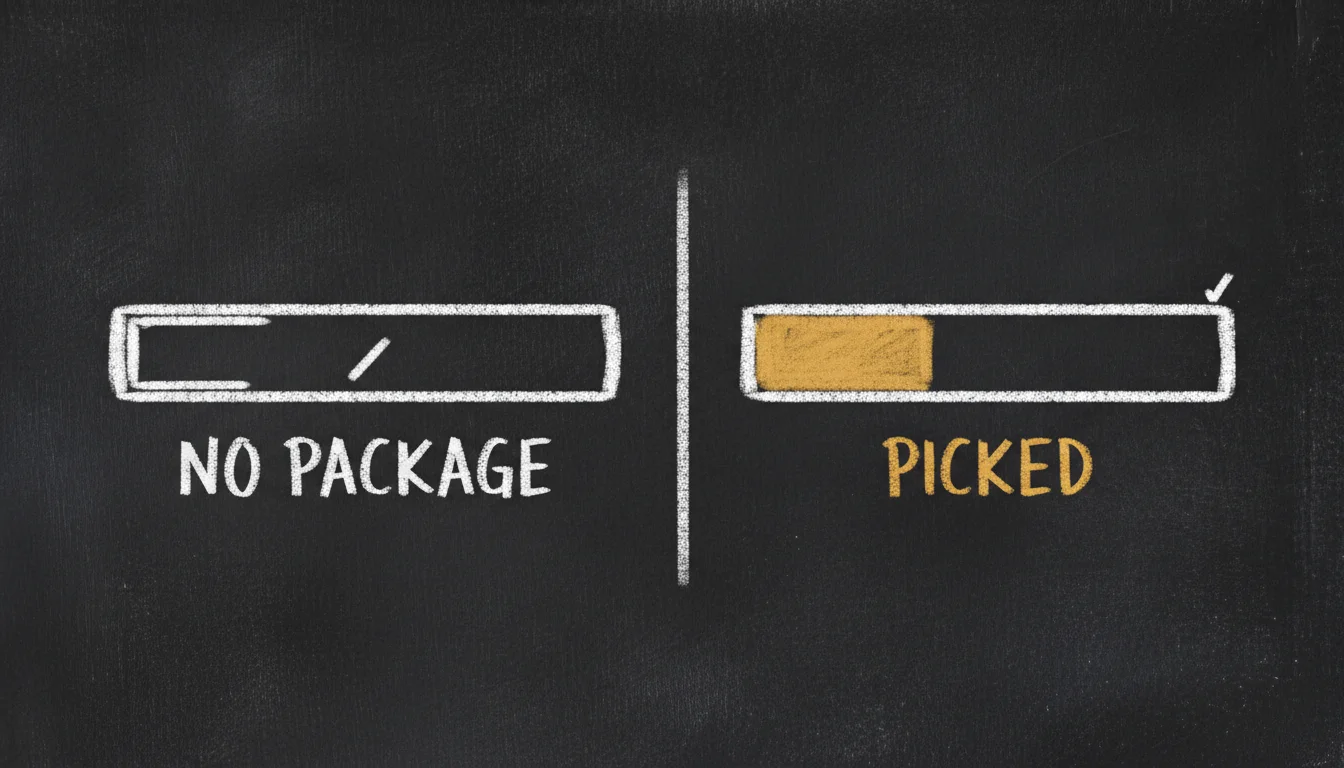
The catalogue is deliberately small and curated: 14 packages across 6 providers, with each one's price, window length and allowance written down (as of 10 August 2026). There is no plan sniffing and no guessing. You pick the package, because you are the one who knows which plan you bought.
Before you pick one, the meter shows a dash. I would rather show you nothing than show you a number I made up — and I should be straight about the state of my own vault: I have not yet set a package on a single one of my 88 keys. The catalogue is there, the editor is there, the meter is wired. The habit is the part I still owe.
A subscription key is yours alone
One rule comes free with the billing axis, and I made it a hard one.
A key marked subscription or metered-paid never enters the shared pool. Not by default, not by accident, not if you tick the box — the API refuses the combination outright, and the database enforces it underneath in case anything ever gets past the API. A coding plan is tied to one account and one set of terms. Lending it to a pool of strangers is exactly the thing you would not want to discover afterwards.
Free keys still pool. Nothing about your existing pool changes.
Doing it without the dashboard
Everything above is three clicks in Gate → Vault, and none of it needs a browser.
# what packages does this provider sell?
spideriq gate subscription-tiers --brand 14 --provider minimax

# mark the key and give the meter its denominator
spideriq gate keys update 42 \
  --billing-mode subscription \
  --subscription-tier minimax_max
An agent does the same over MCP: get_subscription_tiers to discover the packages, then update_brand_integration or gate_key_update to set the billing mode and the package together.
What this is worth
A credential store answers where is the key. That question matters, and it is answered.
The two questions I actually get asked are what is it spending and is it still working — and for a flat-monthly plan, the first one has no dollar answer at all. Now it has a real one: how much of this window you have burned, out of what you bought.
Pick your package once. The meter tells the truth from then on.
1Password, Doppler and HashiCorp Vault are trademarks of their respective owners and are not affiliated with SpiderIQ. Provider and plan names belong to their providers.