SpiderGate opens the Studio, where a prompt is stored as an object rather than text
Projects keep conversations and generated media together, saved prompts are callable by agents over the API, and one prompt can be put to up to five models at once.
WILMINGTON, Del., July 26, 2026
SpiderGate has opened the Studio, a workbench for teams that work with AI models by hand and want that work to survive the session. A prompt is stored as a named object rather than a block of text, projects hold the conversations and media generated inside them, and a single prompt can be put to several models at once.
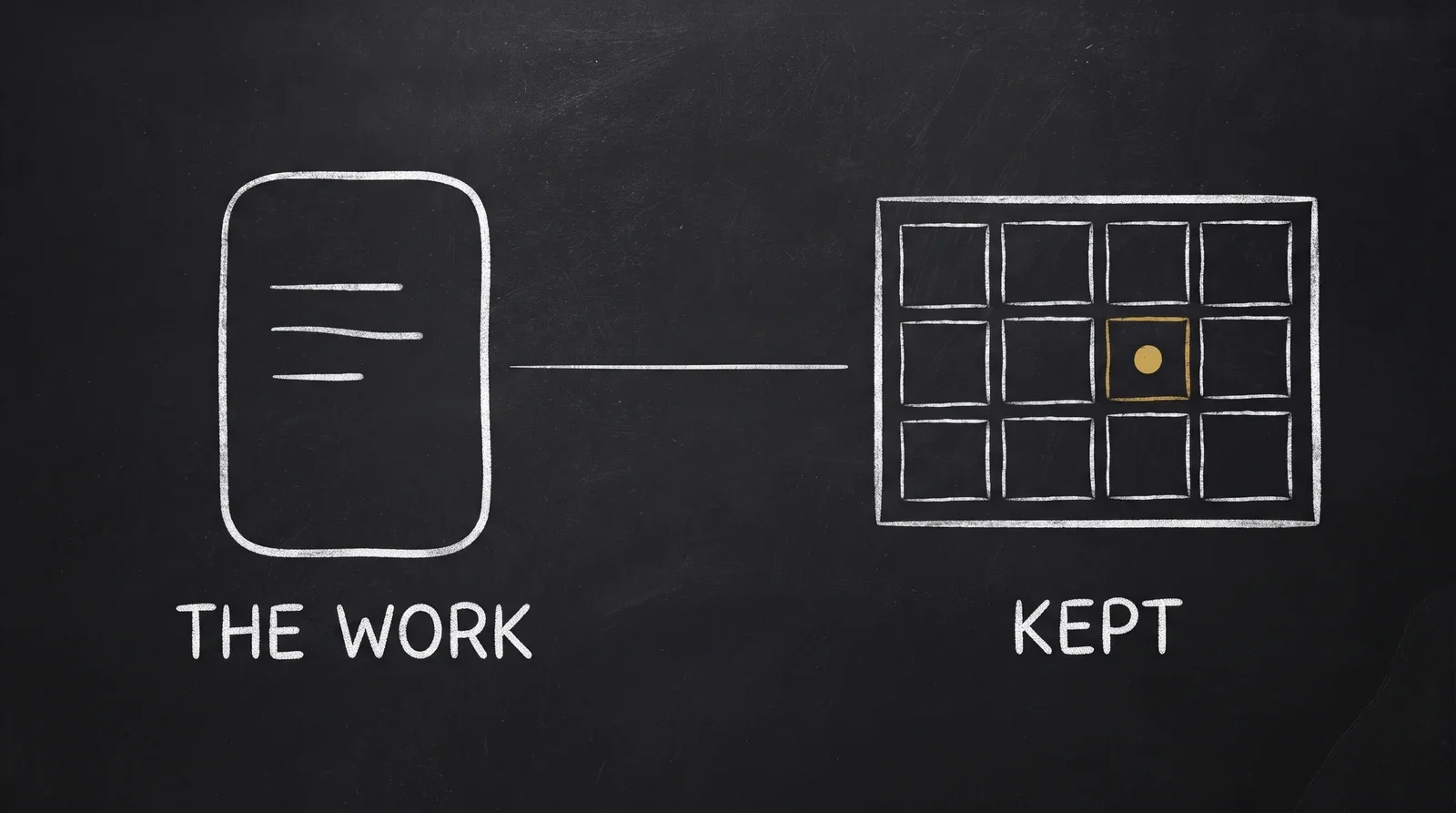
The Studio addresses a gap familiar to anyone who tunes prompts for a living. A result worth keeping depends on four things together: the instructions, the model, the settings and any reference media. Copy the text alone and the other three are lost. The Studio saves all four under one name, reloads them in a click, and lets an agent call the same bundle by name over the API, where the gateway expands it before the request is dispatched.
"The text was never the whole thing," said Martin Shein, founder of SpiderGate. "People paste a prompt into a file and lose the model it was written for and the settings it depended on. We made the prompt an object so the version your designer refined this morning is the version your pipeline runs tonight."
Values sent with a request always take precedence over the stored bundle, so a saved prompt acts as a default rather than a fixed template. A reference that cannot be resolved returns an error naming the problem instead of quietly running as ordinary text, which previously produced output that looked correct but came from the wrong configuration.
The composer also runs in two comparison modes. Fork sends one prompt to as many as five models and streams the answers side by side. Merge passes those answers to a further model that synthesizes them, keeping the individual responses available for inspection. Each lane is billed, logged and traced separately.
The Studio draws on the SpiderGate model catalogue, which customers can switch between mid-conversation, and on a separate set of active media models covering image, video and audio; current counts for both are published on the catalogue page at gate.spideriq.ai/model-catalog. Media is served through third-party providers including OpenAI, Google, xAI, fal.ai and kie.ai; customers may use their own provider keys or SpiderGate's pooled keys, and the interface shows the estimated cost either way.
"Every run leaves a trace you can open," said Martin Shein. "Which model actually served the request, how long it took, what it cost. If you are spending money on models you should be able to see where it went."
The Studio is available now to SpiderGate customers in the dashboard, and its API surface is documented for agent use.
About SpiderGate
SpiderGate is the LLM gateway built for agencies: keys live encrypted in a Vault you contribute to without exposing them, and a shared pool with least-busy failover keeps requests flowing when a key rate-limits or dies. On top sits Studio — a chat workbench where you switch between 1,200+ models mid-conversation, with your files, notes, and saved prompts organized by project.
Media contacts
For interviews, assets or further information.